Washington,
D.C.
December
24, 2025
The sudden termination of
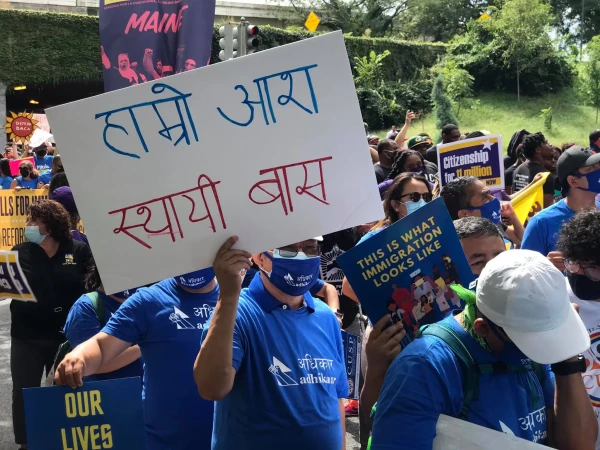
Temporary Protected Status (TPS) for Nepal has plunged thousands of Nepali
nationals living in the United States into a state of profound uncertainty,
marking a dramatic shift in U.S. immigration policy that threatens family
separations, economic hardship, and potential deportations.
In June 2025, Department
of Homeland Security (DHS) Secretary Kristi Noem announced the termination of
Nepal's TPS designation, originally granted in 2015 following the devastating
7.8-magnitude earthquake that killed nearly 9,000 people and displaced
millions. The decision, citing "substantial progress" in Nepal's
reconstruction efforts, was set to take effect on August 5, 2025. However,
ongoing litigation briefly delayed the process before the Ninth Circuit Court
of Appeals, on August 20, 2025, stayed a lower court order, allowing the
termination to proceed immediately. As a result, TPS protections and associated
work authorizations for Nepali beneficiaries ended abruptly, leaving many
without legal status.
Approximately 12,700 Nepalese
were originally registered under TPS, while around 5,500 have successfully
adjusted to permanent residency or other legal statuses over the years. An
estimated 7,000 to 7,500 remain affected, many of whom have built lives in the
U.S. for a decade. These individuals work in essential sectors such as
healthcare, hospitality, construction, and technology, contributing taxes and
integrating deeply into American communities.
From
Protection to Precariousness?
Nepal's TPS was one of
the longest-running designations, extended multiple times due to persistent
challenges, including slow reconstruction, political instability, and
vulnerability to further disasters like floods and landslides. DHS argued that
conditions no longer warranted protection, pointing to international aid and
government recovery efforts.
Without TPS, holders lose
work permits becoming vulnerable to job loss, eviction and exploitation. Many
face the stark choice of returning to Nepal where economic opportunities are
limited. Community leaders in Nepali diaspora hubs like New York, California,
and Virginia report widespread anxiety. Lawsuits filed by TPS holders allege
the terminations violate administrative procedures and disregard country
conditions.
Economic
Ripples Back Home
A forced return or loss
of legal employment for thousands could trigger a "remittance shock,"
exacerbating poverty and straining Nepal's economy. Remittances overall account
for nearly a quarter of Nepal's GDP, one of the highest dependency rates
globally. U.S.-based workers often send high-value transfers that support
education, healthcare and housing for families back home.
As the holiday season
approaches, many Nepali families in the U.S. face an uncertain future.
Immigration attorneys urge affected individuals to explore alternative options,
such as asylum, family-based petitions, or employer sponsorship, though
pathways are limited.
The termination
underscores broader debates over TPS, intended as a temporary humanitarian tool
but often extended for decades. For Nepali TPS holders, the end of this chapter
represents not just policy change, but a personal and communal crisis with
far-reaching consequences.