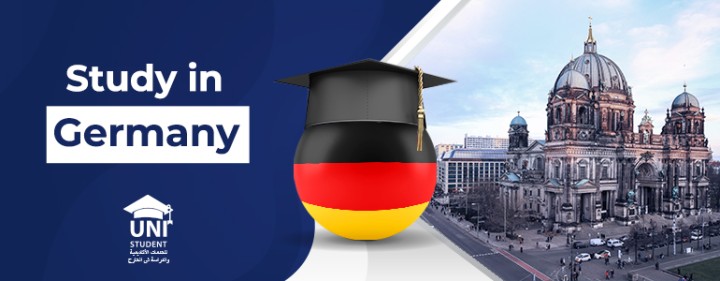
Germany has emerged as a top choice for Nepali
students looking for high-quality education without breaking the bank. More
than 2,000 programs taught in English and institutions that rank globally every
year. The country provides an innovative educational environment, modern
facilities, cultural diversity, and fantastic career opportunities in Europe’s
largest economy.
Advantages
of Studying in Germany for Nepali Students
ü Tuition-Free Public Universities —
Most public universities don’t charge tuition fees for any students, including
international one, just a small semester fee (€100–350).
ü High-Quality & Globally
Recognized Degrees — There’s a strong emphasis on research,
practical skills, and innovation; degrees from Germany are highly respected
both globally and in Nepal.
ü English-Taught Programs — With
over 2,000 programs available in English, especially at the Master's level, you
don’t need to know German right away (though picking it up is definitely a
plus).
ü Generous Scholarships —
Programs like DAAD and other funding options can help cover living expenses,
travel, and more for talented students.
ü Part-Time Work Allowed —
You can work up to 140 full days or 280 half days each year, earning between
€800 and €1,200 a month to help with living costs.
ü Post-Study Opportunities —
After graduation, you can apply for an 18-month job search visa, making it
easier to transition to a work permit or EU Blue Card.
ü Safe & High Quality of Life —
Enjoy excellent healthcare, reliable public transport, student discounts, and
vibrant international communities.
ü Cultural & Travel Experience —
Located in central Europe, it’s easy to explore nearby countries; you’ll also
experience rich history, lively festivals, and diverse cuisine.
ü Strong Nepali Community —
There’s a growing network of support in cities like Berlin, Munich, and
Heidelberg.
Types
of Colleges and Universities in Germany
1. Public Universities:
They
are research based universities with free tuition fees. Examples: Technical
University of Munich (TUM), Ludwig Maximilian University of Munich (LMU) and
Heidelberg University
2.
Technical
Universities (the TU9 alliance):
They emphasize Engineering, Technology, and
Science. Examples: RWTH Aachen and Technical University of Berlin
3. Universities of Applied Sciences
(Fachhochschulen):
They
offer hands-on education with a strong industrial perspective.
4. Private Universities:
They charge higher tuition but
typically offer more English-taught programs and smaller class sizes.
Top
Universities for Nepali & International Students (2025 rankings)
1. Technical
University of Munich (TUM)
2. LMU
Munich
3. Heidelberg
University
4. Humboldt
University of Berlin
5. RWTH
Aachen University
6. Freie
Universität Berlin
7. University
of Freiburg
8. TU
Berlin
9. Karlsruhe
Institute of Technology (KIT)
10. University
of Göttingen
Most
Popular Programs for Nepali & International Students
Bachelor’s
Level (3–4 years)
1. Engineering
(Mechanical, Electrical, Civil)
2. Computer
Science & IT
3. Business
Administration
4. Natural
Sciences
Master’s
Level (1–2 years)
1. Engineering
(Automotive, Mechanical, Renewable Energy)
2. Data
Science & Artificial Intelligence
3. Computer
Science & Informatics
4. Business
& Management (MBA, International Business)
5. Environmental
& Sustainability Studies
6. Biotechnology
& Life Sciences
Tuition
Fees in Germany (2025–2026)
Public
Universities
-
Bachelor’s/Master’s: Free (just a semester
fee of €100–350)
-
A few states/programs for non-EU students:
Up to €1,500/semester
Private
Universities
- €5,000–€20,000/year
Scholarships
for Nepali Students
1. DAAD
Scholarships – These are quite competitive; they offer full or partial funding
for Master's or PhD programs (with a stipend ranging from €934 to €1,300/month,
plus travel and insurance). You can apply through the DAAD portal.
2. Deutschlandstipendium
– A merit-based scholarship providing €300/month (half funded by the government
and half by private sources).
3. Erasmus+
– Great for mobility and joint programs.
4. University-Specific
Scholarships – Many universities provide waivers or stipends.
5. Foundations
(like Heinrich Böll and Konrad Adenauer) – These are available for specific
fields or values.
Admission
& Visa Process for Nepali Students (2025)
1. You
can apply through uni-assist.de or directly (keep an eye on deadlines:
July/January).
2. Requirements
include: 10+2/Bachelor’s (minimum GPA varies), English proficiency (IELTS
6.5+/TOEFL), and a motivation letter.
3. For
Bachelor's programs: You might need to attend Studienkolleg if your
qualifications aren’t equivalent.
4. Once
you receive your admission letter, open a Blocked Account (€11,904/year for
2025).
5. Then,
apply for a National Visa (Type D) at the German Embassy in Kathmandu.
6. Required
documents: Passport, admission letter, proof of blocked account/scholarship,
health insurance, motivation letter, CV, and academic records.
7. Visa
fee: €75 (this is waived for public scholarships).
8. Processing time is of 4–12 weeks.
Expenses
breakdown for a month:
· Food
(groceries + canteen): €200–€300
· Rent
(in a student dorm or shared accommodation): €300–€600
· Transport
(semester ticket): €50–€100
· Health
Insurance: €110–€120 (student rate)
· Miscellaneous:
€100–€200
Total:
€850–€1,200
Part-Time
Work & Career Opportunities
· You’re
allowed to work: 140 full days or 280 half days a year (that’s about 20 hours a
week).
· Common
jobs include: campus assistant, tutoring, working in cafes or retail, and
research positions (you can earn around €12–€15 an hour).
· After
graduation, you can apply for an 18-month job search visa; there’s a high
demand for jobs in engineering, IT, automotive, and research fields.
· Transitioning
to a work permit or EU Blue Card is straightforward if you land a qualifying
job (with a salary threshold of €58,400+ for some positions).
· Many
Nepali graduates choose to stay or return home with impressive credentials.
Conclusion
For Nepali students aiming for a prestigious,
tuition-free education that emphasizes practical skills, along with
scholarships and real career opportunities in Europe, Germany stands out as an
exceptional choice. The strong ties between the two countries, a growing Nepali
community, and clear pathways to long-term opportunities make it a wise
investment. Thousands of successful Nepali alumni are a testament to this – so
why not start your journey today? Willkommen in Deutschland! (Welcome to
Germany!)