African countries represent a relatively small but
emerging niche in Nepal's foreign employment landscape, far behind dominant
destinations. As of early 2026, official labor migration data from Nepal's
Department of Foreign Employment (DoFE) shows limited but growing outflows to
select African nations, primarily through bilateral agreements or private
recruitment channels. Workers typically enter on work permits or employment
visas, facing challenges such as high recruitment fees, adaptation to new
climates and cultures, and variable labor protections.
Here are ten of the most common or emerging jobs
undertaken by Nepalese in African countries:
1.
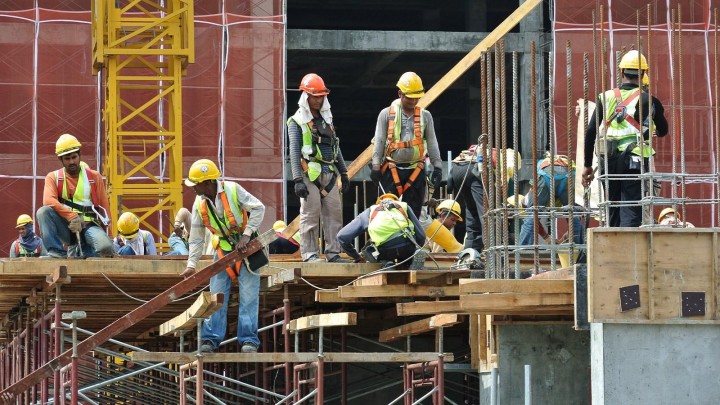
Construction
Laborer / Builder: In Mauritius and occasionally South Africa
or Kenya, workers assist in building infrastructure, residential projects, or
commercial developments. Tasks include material handling, scaffolding, basic
masonry, concrete mixing, and site cleanup. Physically demanding outdoor work
with safety gear required.
2.
Carpenter: Common
in Mauritius for furniture making, formwork, or finishing in construction and hospitality
sites. Responsibilities involve measuring, cutting, assembling wood structures,
and installation. Skilled roles offer better pay. They have a high demand in
building booms with opportunities for skill upgrades.
3.
Electrician:
Installing, maintaining, and repairing electrical systems in factories, hotels,
or residential buildings, mainly in Mauritius. Involves wiring,
troubleshooting, and safety compliance. Technical skills lead to better
long-term prospects and potential extensions.
4.
Hospitality
/ Hotel Staff: Roles in Mauritius' thriving tourism
sector include housekeeping, kitchen assistance, waitstaff, or general hotel
support. Tasks cover cleaning rooms, food prep, serving, and guest services. This
offers flexible shifts, exposure to tourism industry, and employer-provided
accommodation often available.
5.
Manufacturing
/ Factory Worker: In Mauritius' textile, food processing,
or light manufacturing plants, involving assembly lines, packaging, quality
checks, and machine operation. Shift-based with overtime. Requirements:
Physical stamina, basic training. Stable industrial jobs with dormitories and meals
sometimes provided.
6.
Agriculture
/ Plantation Worker: Seasonal roles in Mauritius' sugarcane
farms or other crops, including planting, harvesting, and maintenance. Rural
settings with basic housing. Addresses rural labor gaps, though less common now
due to mechanization.
7.
Security
Guard: In South Africa or Mauritius hotels/businesses,
monitoring premises, access control, and patrols. Entry-level with potential
for steady contracts are highly qualified.
8.
Domestic
/ Care Worker: Limited but present in households or care
facilities in South Africa or Mauritius, assisting with cleaning, childcare, or
elderly support. Familiar from Gulf patterns, though protections vary to
various of the workers.
9.
Restaurant
/ Fast Food Staff: In Mauritius' growing food service
sector, preparing or serving meals, often in ethnic or international outlets. You
must have cultural food familiarity and flexible hours.
10. Warehouse / Logistics Worker:
Handling goods, sorting, loading in distribution centers, particularly in
Mauritius or South African hubs. Physical with shift work. Supports growing
trade and e-commerce.
Into 2026 and beyond, Mauritius' tourism and
construction growth, alongside potential expansions in other African nations
facing labor shortages, could increase demand for Nepalese workers. For
aspiring migrants, using licensed agencies and verifying offers is crucial.
While Africa offers diversification, it remains a minor stream highlighting the
need for skill enhancement to access dignified, sustainable opportunities.