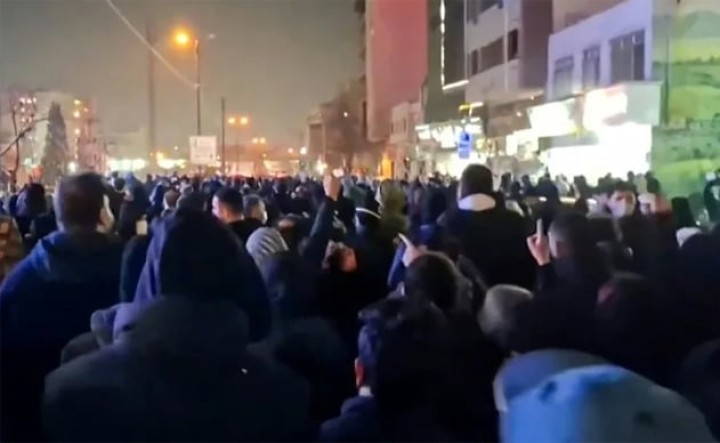
Protests have continued across Iran despite a
near-total internet blackout imposed by authorities, as unrest driven by
economic hardship and political frustration shows no sign of easing.
Demonstrations have been reported in several major
cities, including Tehran and Mashhad, with crowds calling for reforms and
greater accountability. The unrest began amid rising living costs and
unemployment, before expanding into wider expressions of dissatisfaction with
the government.
In response, Iranian authorities restricted internet
access across much of the country, a move rights groups say is aimed at
limiting coordination among protesters and preventing information from reaching
the outside world.
Human rights organisations report widespread arrests
and allege the use of force by security services, claims the government has
denied. Officials say the measures are necessary to maintain public order and
protect national security.
International reaction has been cautious but firm,
with several governments urging Iran to restore internet access and respect the
right to peaceful protest. Analysts say the blackout risks further isolating
the country at a time of growing economic and diplomatic pressure.
As demonstrations persist, the situation remains
fluid, with uncertainty over whether authorities will seek dialogue or continue
with tighter controls.