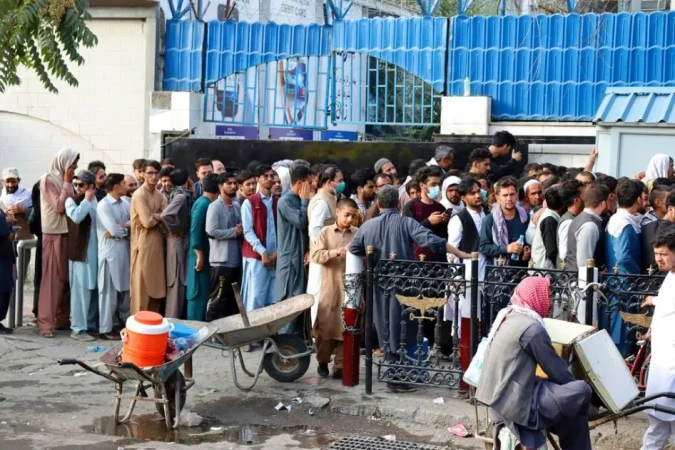
After years of conflict, the situation has
become even worse due to severe cuts in international aid. Many humanitarian
organizations have reduced or stopped their work because of funding shortages.
As a result, food supplies are running out, health centers are closing, and
support for vulnerable communities is disappearing. For many families, there is
simply nowhere left to turn.
Hunger is the most visible and painful part
of this crisis. Parents are skipping meals so their children can eat. In some
areas, families survive on one small meal a day, while others go days without
proper food. Children are especially affected, with rising cases of
malnutrition that can cause lifelong health problems or even death if not
treated in time.
The harsh winter has made life even harder.
With little access to heating, warm clothing, or shelter, many families are
exposed to extreme cold. Rural areas are particularly affected, where roads are
blocked by snow and aid cannot reach those in need. Elderly people, children,
and pregnant women are at the highest risk.
Healthcare in Afghanistan is also collapsing.
Hospitals lack medicines, equipment, and trained staff. People suffering from
treatable illnesses are dying simply because they cannot get basic medical
care. Women and children face the greatest challenges, especially in remote
areas where clinics have shut down completely.
Aid agencies and humanitarian workers warn
that without urgent international support, the situation will continue to
worsen. They stress that this is not just a political issue, but a human one.
Behind the numbers are real people mothers, fathers, and children who want nothing
more than safety, food, and a chance to live with dignity.
As the world looks ahead, Afghanistan’s
crisis remains a powerful reminder that humanitarian disasters do not end when
headlines fade. For millions of Afghans, the struggle is ongoing, and the need
for compassion and action has never been greater.