Kyiv
/ Moscow
December
26, 2025
Hopes for a swift end to
the nearly four-year war in Ukraine dimmed on Friday after Russian officials
signaled that Moscow is not ready to finalize a peace agreement. Despite of the
renewed diplomatic efforts involving the United States and European partners there
are still some problems between the countries.
Senior Russian diplomats
said that while contacts and discussions continue, key differences remain
unresolved, particularly on territorial control, security guarantees and
Ukraine’s future alignment with Western institutions. The comments come just
days after Ukrainian President Volodymyr Zelenskyy said that some peace-deal
documents are already fully prepared following talks with U.S. envoys raising
expectations of possible progress.
What
Russia Is Saying?
Russia’s Deputy Foreign
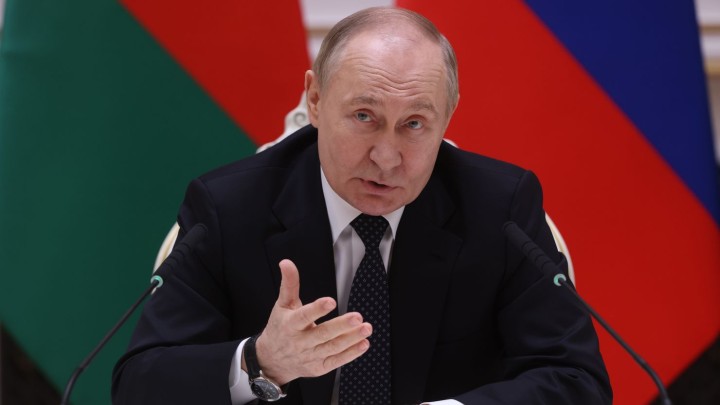
Minister Sergei Ryabkov stated that Moscow is “not prepared to sign an agreement
at this stage,” emphasizing that Russia’s core demands have not changed. These
include the recognition of Russian control over occupied Ukrainian territories
and guarantees that Ukraine will not join NATO.
Kremlin officials have
described current proposals as “unbalanced” and overly favorable to Ukraine and
its allies, insisting that any settlement must address what Moscow calls the
“root causes” of the conflict.
Ukraine’s
Position
Ukraine maintains that peace
cannot come at the cost of sovereignty. President Zelenskyy has repeatedly said
Kyiv will not accept the permanent loss of territory and that any major
concession would require public approval, potentially through a referendum.
Ukrainian officials say their
peace framework focuses on internationally backed security guarantees, gradual
troop withdrawals, potection of critical infrastructure, including nuclear
facilities and post-war reconstruction and accountability for war crimes.
Role
of the United States and Europe
The stalled talks come
amid intensified diplomatic engagement by the United States pushing for
structured negotiations that could lead to a ceasefire and eventual political
settlement. European leaders have also been involved in behind-the-scenes
consultations, stressing that any peace must be durable and respect
international law. U.S. officials acknowledge that progress will be difficult,
noting that Russia and Ukraine remain far apart on fundamental issues.
Why
the Talks Matter Now?
The war has killed or
injured hundreds of thousands, displaced millions across Europe and disrupted
global food and energy supplies all over European countries.
With winter deepening
humanitarian challenges in Ukraine and economic pressures mounting globally,
diplomats say the cost of continued fighting is rising for all sides. However,
analysts warn that without real compromise, negotiations may remain symbolic
rather than transformative.
What
Comes Next?
Diplomatic channels
remain open and further meetings are expected in the coming weeks. Officials on
all sides caution against expecting quick breakthroughs. For now, the war
continues alongside talks with negotiations moving slowly and battlefield
realities still shaping political positions. Observers say the coming months
will be critical in determining whether diplomacy can gain real momentum or
remain stuck in stalemate.