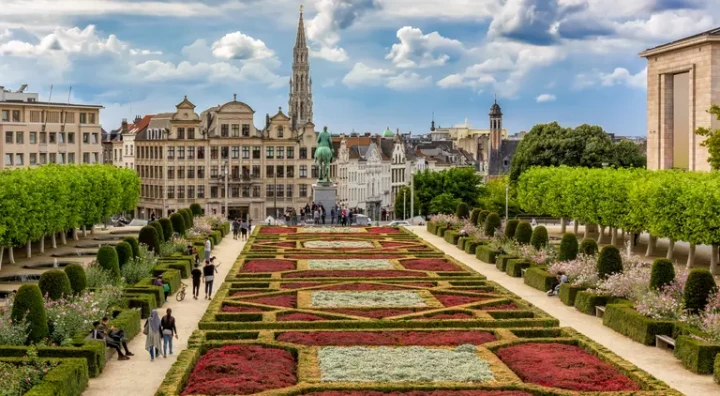
Belgium has emerged as an attractive yet relatively
niche study destination for Nepali students in recent years, offering
high-quality education, multilingual programs (many in English at master's
level), central European location, and strong research focus. The country
combines academic excellence with a multicultural environment (French, Dutch,
and German-speaking regions), proximity to EU institutions, and post-study work
options (up to 12–18 months job search permit for graduates).
Here are 10 popular universities/colleges for Nepali
students in 2025–2026, based on rankings, English programs, consultancy
recommendations (e.g., KU Leuven, Ghent, ULB, VUB), and international appeal.
1.
KU Leuven
Exact Location: Leuven (main), Flemish Brabant
Estimated Nepali Students: One of the largest Nepali
communities; top choice for prestige
Tuition Fees (International/Non-EU, 2025–2026):
€1,000–€7,000/year (Flemish rates; scholarships common)
Popular Courses: Engineering, Business, Computer
Science, Biomedical Sciences
Major Advantages:
· Belgium's
highest-ranked (top 100 globally)
· Strong
research based institution
· Many
English masters programs
· Vibrant
student city with support services
· Generous
scholarships (VLIR-UOS priority for developing countries)
Major Disadvantages:
· Competitive
admissions
· Flemish
language useful daily
2.
Ghent University
Exact Location: Ghent, East Flanders
Estimated Nepali Students: Significant intake; popular
for sciences/engineering
Tuition Fees (International/Non-EU, 2025–2026):
€1,000–€6,000/year (Flemish)
Popular Courses: Engineering, Biotechnology, Business,
Environmental Sciences
Major Advantages:
· High
global rankings
· Innovative/research-focused
· Affordable
Ghent living; strong international community
· Good
scholarships and industry links
Major Disadvantages:
· Dutch
proficiency helpful
· Smaller
Nepali network than Brussels
3.
Université catholique de Louvain (UCLouvain)
Exact Location: Louvain-la-Neuve, Walloon Brabant
Estimated Nepali Students: Growing for French/English
programs
Tuition Fees (International/Non-EU, 2025–2026):
€835–€5,010/year (French community; exemptions possible)
Popular Courses: Engineering, Social Sciences, Health,
Management
Major Advantages:
· Prestigious
· Beautiful
campus town
· Affordable
· English/French
options
· Scholarships
(ARES for developing countries)
Major Disadvantages:
· French
dominant
· Regional
location
4.
Vrije Universiteit Brussel (VUB)
Exact Location: Brussels (multiple campuses)
Estimated Nepali Students: Notable; strong
international focus
Tuition Fees (International/Non-EU, 2025–2026):
€1,000–€5,000/year (Flemish; e.g., ~€4,960 for some bachelor's)
Popular Courses: Social Sciences, Engineering,
Computer Science, Business
Major Advantages:
· Brussels
location (EU/NATO hub)
· Diverse/multilingual
· Many
English programs
· Vibrant
city jobs
Major Disadvantages:
· Higher
Brussels costs
· Competitive
5.
Université libre de Bruxelles (ULB)
Exact Location: Brussels
Estimated Nepali Students: Popular for Brussels access
Tuition Fees (International/Non-EU, 2025–2026):
€835–€5,010/year (French community)
Popular Courses: Sciences, Political Science,
Engineering, Health
Major Advantages:
· Strong
research
· Central
Brussels
· English/French
programs
· Scholarships
Major Disadvantages:
· Urban
expenses
· French
often needed
6.
University of Antwerp
Exact Location: Antwerp, Flanders
Estimated Nepali Students: Growing for
research/business
Tuition Fees (International/Non-EU, 2025–2026):
€1,000–€6,000/year
Popular Courses: Business, Economics, Engineering,
Social Sciences
Major Advantages:
· Dynamic
city
· Strong
research emphasis
· English
options
· Affordable
Flanders
Major Disadvantages:
· Dutch
language is mostly used
· Competitive
housing
7.
Université de Liège (ULiège)
Exact Location: Liège, Wallonia
Estimated Nepali Students: Attractive for
sciences/engineering
Tuition Fees (International/Non-EU, 2025–2026):
€835–€5,010/year
Popular Courses: Engineering, Aerospace, Life Sciences
Major Advantages:
· Research
excellence
· Lower
Wallonia costs
· Scholarships
for developing countries
Major Disadvantages:
· French
dominant
· Regional
location
8.
Hasselt University
Exact Location: Hasselt/Diepenbeek, Limburg
Estimated Nepali Students: Emerging for applied
programs
Tuition Fees (International/Non-EU, 2025–2026): €1,000–€6,000/year
(Flemish)
Popular Courses: Biomedical Sciences, IT, Business
Major Advantages:
· Modern
technology and practices
· Practical
focus
· Affordable
· Good
support
Major Disadvantages:
· Smaller
city
· Fewer
networks
9.
Université de Mons (UMons)
Exact Location: Mons, Wallonia
Estimated Nepali Students: Niche appeal
Tuition Fees (International/Non-EU, 2025–2026):
€835–€5,010/year
Popular Courses: Engineering, Sciences
Major Advantages:
· Smaller
classes
· Research-oriented
· Lower
costs
Major Disadvantages:
· Regional
Location
· Limited
English
10.
Brussels School of Governance / VUB-related institutes
Exact Location: Brussels
Estimated Nepali Students: International affairs draw
Tuition Fees (International/Non-EU, 2025–2026):
€1,000–€6,000/year
Popular Courses: International Relations, EU Studies
Major Advantages:
· EU
hub access
· Policy
focus
· English
programs
Major Disadvantages:
· Brussels
expenses
General
Advantages for Nepali Students
· Affordable
tuition (often €835–€5,000/year with exemptions)
· Various
scholarships (VLIR-UOS, ARES) are available
· Part-time
work (up to 20 hours/week) and allowance of post-study job search
· Multicultural/safe
society
· Central
Europe travel facilities
· Common
for English master's
General
Disadvantages
· Language
barriers (Dutch/French daily) and bureaucracy (visa via VFS New Delhi)
· Higher
Brussels costs
· Cold
winters
· Small
Nepali community
· Strict
visa rules
· Competitive
scholarships
Official
Government Websites for Updates
Study in Flanders (Flemish): https://www.studyinflanders.be
Wallonie-Bruxelles Campus (French): https://www.studyinbelgium.be/en
Campus France Belgium / General: https://www.studyinbelgium.be
Belgian Immigration (Visa): https://dofi.ibz.be/en