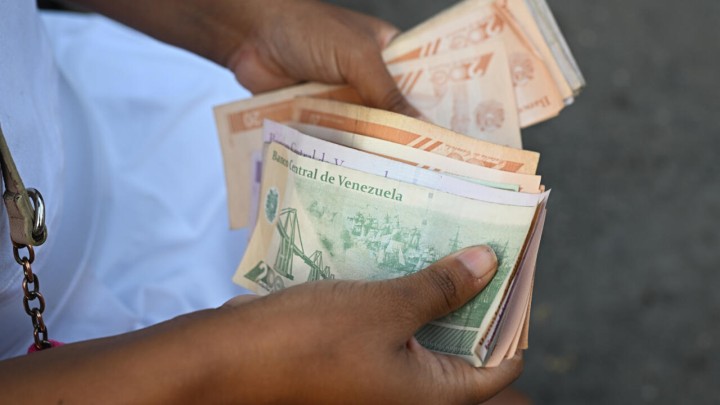
Caracas, Venezuela
January 12, 2026
Venezuela is facing an intensifying
hyperinflation crisis that is pushing prices sky-high, eroding
people’s savings, and deepening a humanitarian emergency in one of South
America’s most oil-rich yet economically fractured nations.
According to economists and market
analysts, Venezuela’s inflation has surged dramatically, with projections from
international financial institutions showing the rate could exceed 680 percent in 2026 as the country’s
currency continues to collapse and foreign income dries up.
Currency
Collapse and Soaring Prices
The Venezuelan bolívar, the country’s official
currency, has lost tremendous value against the U.S. dollar. In the past year
alone, the price of one U.S. dollar has climbed by nearly 480 percent in Venezuelan markets,
compared to bolívars, reflecting catastrophic depreciation and market distrust
in the local currency.
This sharp devaluation has pushed
the cost of basic goods and services far beyond the reach of ordinary citizens.
Families across Caracas and other cities report that even everyday groceries
and staples have become prohibitively expensive, forcing many to cut meals or
skip essential purchases. According to food security assessments, staple food
prices remain high while household purchasing power remains dangerously low,
pushing vulnerable communities toward deeper hardship.
Economic
Roots of Hyperinflation
Venezuela’s economic woes are not
new; they stem from years of dependence on oil revenues, political instability,
and growing external pressure. While Venezuela holds some of the world’s
largest oil reserves, disruptions from sanctions, reduced foreign exchange
inflows, and an ongoing oil export blockade have severely limited government
revenue. This shortage of hard currency has intensified downward pressure on
the bolívar and fueled persistent inflation.
The International Monetary Fund
(IMF) and other analysts also link the crisis to structural weaknesses in
Venezuela’s economy. With limited foreign currency and increasing monetary
liquidity, the government has struggled to stabilize prices or control the
money supply, resulting in rapidly rising costs and diminished confidence in
official economic data.
Daily
Life Under Hyperinflation
For everyday Venezuelans, the
effects are stark. Many workers now take on multiple jobs yet still can’t afford basic food and services, as
inflation far outpaces wage growth. In some cases, long-term minimum wage
earners survive on amounts that once would have barely covered essential costs.
In response to the currency crisis,
Venezuelans are increasingly turning to alternative
financial solutions, such as cryptocurrencies, to preserve value and
conduct everyday transactions. Stablecoins like USDT have become widely
accepted in markets and stores as people look for refuge from bolívar
depreciation, making Venezuela one of the world’s fastest-growing crypto
adoption markets.
Human
Impact and Food Insecurity
Rising inflation and economic
decline have also translated into worsening food insecurity. Experts warn that
the poorest households especially those without access to U.S. dollar income or
social safety nets face acute food
consumption deficits, particularly in urban and peri-urban areas like
Caracas and Zulia, where high food prices are coupled with stagnant household
wages.
What
Comes Next?
Economists caution that without
major structural reforms, Venezuela’s economy may remain stuck in a vicious
cycle of devaluation and price hikes. IMF projections suggest inflation could
climb even higher if political uncertainty and currency instability continue.
Political and social tensions also
remain high, with recent interventions and sanctions complicating potential
recovery strategies. As the humanitarian situation deepens, international
organisations and neighbouring countries are closely watching whether Venezuela
can implement meaningful reforms or if the crisis will spread further,
affecting migration and regional economies.