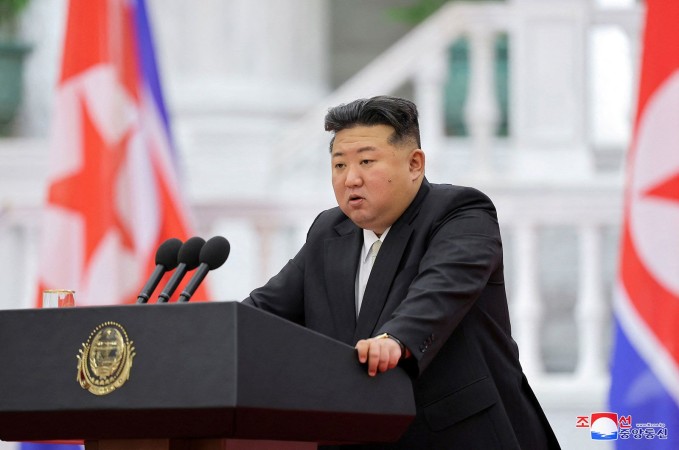
Pyongyang – December 23, 2025
North Korea
has reportedly issued a rare internal directive urging authorities to prevent
suicides, as unconfirmed reports indicate a sharp rise in self-inflicted deaths
across the country amid deepening economic hardship and social pressure.
According to
sources cited by Radio Free Asia (RFA) and referenced by South Korean
intelligence assessments, North Korean leader Kim Jong Un earlier this year
instructed local party officials to treat suicide as a serious ideological
issue, allegedly labeling it an act of “treason against socialism” in
confidential communications. Officials were reportedly warned they would be
held responsible for suicide cases occurring in their jurisdictions.
While North
Korean state media, including the Korean Central News Agency (KCNA), has
remained silent, foreign analysts say the directive reflects growing concern
within the leadership about social stability during a prolonged period of
economic strain.
Economic Hardship Linked to Growing
Distress
Defector networks
and foreign monitoring groups estimate that suicide cases may have increased by
as much as 40 percent compared to previous years, though no official statistics
are available due to North Korea’s tightly controlled information system.
Analysts attribute the reported rise to:
· Persistent food shortages
· Severe economic restrictions and
sanctions
· Lingering effects of border closures
· Loss of income, especially in
informal markets
· Social pressure and state
surveillance
Reports
suggest that during emergency provincial meetings, officials were confronted
with suicide notes allegedly criticizing living conditions and governance, a
development said to have alarmed party leadership.
A Taboo Topic in a Closed Society
Mental
health remains a deeply taboo subject in North Korea, where personal suffering
is rarely acknowledged publicly and often framed through ideological loyalty.
Experts say the reported directive does not indicate improved mental health
support, but rather heightened state control and monitoring aimed at preventing
dissent and preserving the regime’s image.
Human rights
observers caution that while claims of suicide being criminalized or punished
harshly circulate online, there is no independent, verified evidence that
suicide attempts are formally punished under North Korean law. Instead, the
directive appears to function as an internal warning to officials rather than a
public legal change.
Why This Matters?
The reported
focus on suicide even behind closed doors which highlights the human toll of
prolonged isolation, economic pressure, and limited freedoms inside the
country. Analysts say it also underscores the leadership’s fear that personal
despair could translate into broader social unrest.
As with many
developments inside North Korea, verification remains extremely difficult, and
information relies heavily on defectors, foreign media, and intelligence
assessments.
further updates will depend on
confirmation from international monitoring agencies and regional intelligence
sources