Beirut / London
In a major coordinated military action, the United
Kingdom and France carried out joint airstrikes overnight on suspected Islamic
State (ISIS/ISIL) targets in central Syria, targeting an underground weapons
facility believed to be crucial to the extremist group’s operations. The
strikes took place near the historic city of Palmyra, a symbol of both Syria’s
rich past and its recent conflict-ridden present.
According to statements from the UK Ministry of Defense,
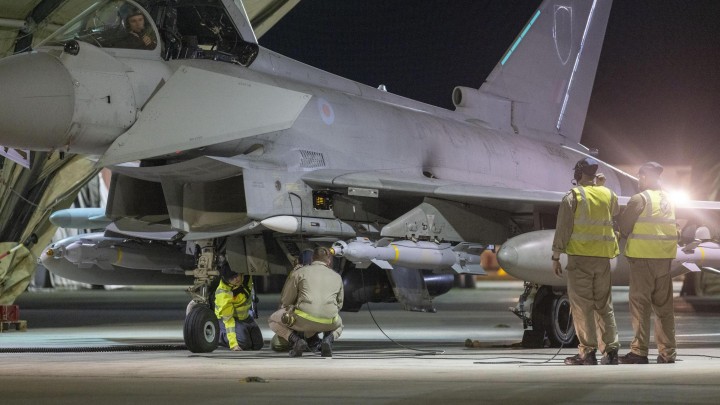
British Royal Air Force jets including Typhoon FGR4 fighters and French
military aircraft struck an underground site that intelligence analysts believe
has been used by ISIS fighters to store weapons, ammunition, and explosives.
The operation focused on access tunnels leading into the facility.
Is
this a United Front against Extremism?
British Defense Secretary John Healey described the
mission as a clear message that the UK remains committed to counterterrorism
efforts “shoulder to shoulder with our allies” to prevent any resurgence of
ISIS. The French military echoed this sentiment, saying that fighting terrorism
remains a priority and that the joint action was conducted under Operation
Inherent Resolve, the multinational campaign against ISIS in Iraq and Syria.
Why
This Strike Matters?
Although ISIS lost its last territorial stronghold in
Syria in 2019, the group continues to operate in sleeper cells and maintain
influence through underground networks. United Nations estimates suggest ISIS
and affiliated fighters still number in the thousands across Syria and Iraq.
In recent months, there have been renewed concerns
about ISIS activity following attacks and increased militant movement in
volatile regions. Western officials say such strikes are part of ongoing
efforts to disrupt extremist infrastructure, prevent deadly attacks, and
support long-term regional stability.
The
airstrike has drawn varied international attention:
1. Coalition
partners welcomed the operation as part of sustained efforts to degrade ISIS
capabilities.
2. Regional
security analysts say the action underscores how extremist groups continue to
adapt and operate despite being territorially defeated.
3. Humanitarian
observers caution that military action must be paired with efforts to protect
civilians and support reconstruction in war-torn areas.
What
Comes Next?
Military officials are expected to continue monitoring
ISIS movements closely, while the UK, France, and coalition partners maintain
vigilance over extremist threats in the Middle East.
This strike stands as a reminder that, even years
after losing territory, militant groups like ISIS remain a persistent security
challenge and the fight against them continues with coordinated international
action.