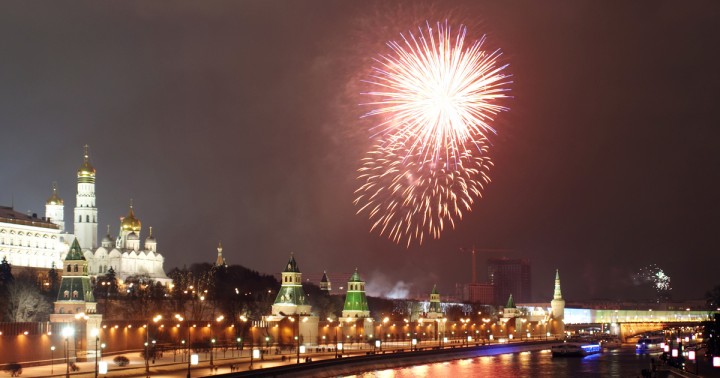
Moscow
December
31, 2025
As the world prepares to welcome the New Year with
fireworks and public celebrations, Russia is stepping into 2026 under unusually
strict rules. Authorities across several Russian regions have imposed new
restrictions on New Year’s Eve celebrations, citing heightened security
concerns linked to ongoing domestic and international tensions.
According to regional announcements and state media
reports, public fireworks displays have been canceled, alcohol sales in certain
public areas have been limited, and temporary controls on mobile internet
services have been introduced in major cities and sensitive regions. Large
public gatherings, traditionally a central part of Russia’s New Year
celebrations, are also being closely monitored or discouraged.
Why the Restrictions Were Imposed?
Russian officials say the measures are necessary to
ensure public safety during a period of increased security risk. With the war
in Ukraine ongoing and fears of sabotage, drone attacks or unrest, authorities
argue that limiting mass celebrations reduces the chances of unexpected
incidents.
New Year’s Eve is Russia’s most important holiday
which is often more significant than Christmas and normally involves massive
crowds, concerts, fireworks, and late-night festivities. This year, the government
has chosen caution over celebration.
How People Are Reacting?
The response from the public has been mixed. Some
citizens say they understand the need for safety, while others feel
disappointed and frustrated.
Social media users have expressed concern about
internet slowdowns, saying it affects communication with family and friends,
especially those living abroad. Others see the restrictions as part of a
broader pattern of increasing state control over daily life.
Political and Social Context
Analysts say the move reflects growing nervousness
within the Kremlin as the country faces economic pressure, international
isolation and fatigue from prolonged conflict. Limiting celebrations and
communication networks may help authorities maintain tighter control during
symbolic moments when public emotion runs high.
Opposition voices and independent observers argue that
the restrictions go beyond security and are also meant to prevent protests or
public dissent during a time when people traditionally gather in large numbers.
A
Quiet Countdown to 2026
Instead of city-wide fireworks and packed public
squares many Russians are expected to celebrate the New Year at home with
family, watching the president’s traditional midnight address on television.
For many Russians, the hope remains simple that future
New Year celebrations will once again be filled with light, freedom, and peace.