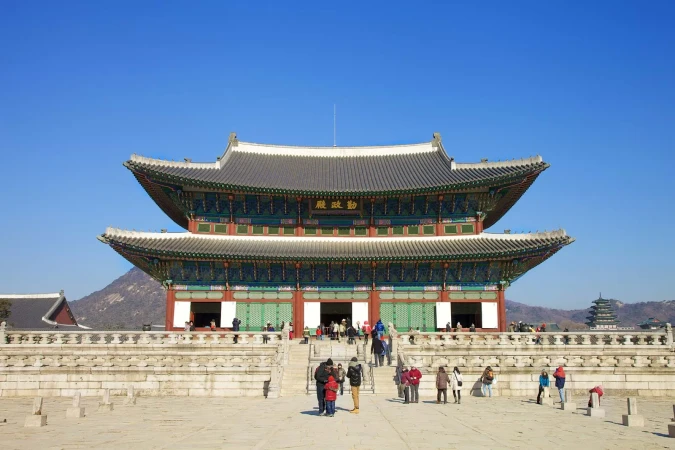
Seoul,
South Korea
South
Korea’s Ministry of Education has unveiled major policy reforms to strengthen support for international students by
prioritising career development,
employment pathways and long‑term settlement as part of its broader
strategy to become a truly global education hub. The move comes as Seoul
continues to welcome tens of thousands of students from around the world including
large numbers from Asia.
Shift from Recruitment to Real‑World Support
For
nearly two decades, South Korea’s international student policies emphasised recruitment and enrollment goals.
However, as the number of foreign students has surged and with many expressing
a desire to work and live in Korea after graduation policymakers are
recalibrating priorities.
This
week, the Ministry announced that it will update its International Education Quality Assurance System (IEQAS) to
include career and employment support
criteria when evaluating universities. For the first time, institutions
will be graded not only on academic support for international students but also
on how they help students prepare for
jobs, internships, and settlement in Korea.
From Classroom to Career, what’s changing?
Under
the new approach:
Why This Matters?
Recent employment data
shows that foreign workers in Korea
have exceeded 1.1 million, with the number of international students
working in the country rising sharply.
Students
themselves have voiced a strong interest in finding work after graduation.
Surveys at job fairs and on campuses show that a large proportion of foreign learners hope to stay and work in Korea,
driven by competitive salaries, strong demand in tech and service sectors, and
enriching professional experiences.
“I came to Korea because I believed in the
opportunities here, but finding work wasn’t straightforward language, visa
questions, networking it was overwhelming. If universities help us bridge
education and employment that changes everything” said Minh Tran, a
Vietnamese master’s student studying engineering in Busan.
Looking Ahead
The
updated evaluation criteria will be reflected in university certifications
expected to be announced around
February 2026, prompting institutions to begin strengthening their
career services immediately.
As
South Korea continues to build on its success as a popular study destination,
this policy shift signals a new era of
student support that values not only academic excellence but also successful
transitions into real‑world careers and long‑term integration.