Sydney, Australia
Authorities in New South Wales (NSW) have extended restrictions on public
protests in parts of Sydney amid heightened security measures following last
year’s Bondi terrorist attack. The extension, announced this week, has sparked
controversy and plans by community groups to defy the ban ahead of major rallies planned for Australia Day
and Invasion Day on January 26.
NSW Police Commissioner Mal Lanyon declared the
continuation of the protest restrictions under emergency powers, which were
initially introduced in December after the Bondi attack. These powers allow the
police to prohibit authorised protests without judicial review for up to 14
days at a time and can be renewed for up to 90 days under state law intended to
safeguard public safety.
The restrictions mean organisers cannot apply for
formal approvals for protests in designated areas of Greater Sydney, though
peaceful gatherings remain technically permitted outside the restricted zones.
NSW Police emphasised that the measures are focused on avoiding “public safety
incidents” rather than suppressing free speech, pointing to the potential for
counter-protests and tensions as reasons for caution.
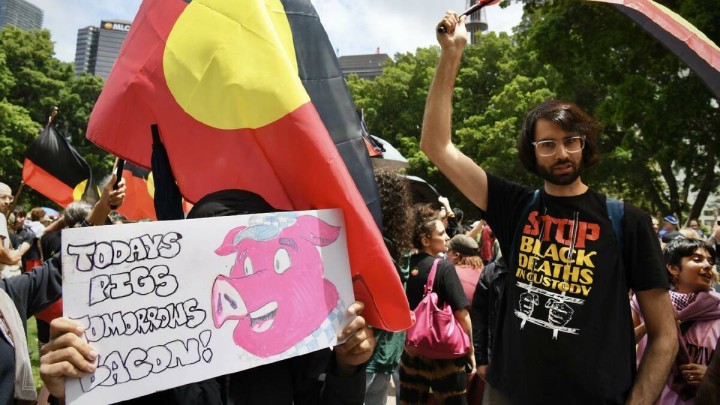
However, several community and activist groups including
Indigenous rights advocates, pro-Palestine organisers, and civil liberties
campaigns have vowed to push back against the extended ban. A coalition of
these groups announced plans to risk arrest if necessary, saying they intend to
continue with Invasion Day protests regardless of the restrictions, framing
their actions as a stand for democratic rights and historical recognition.
The situation has drawn strong reactions from legal
and civil rights organisations, who argue that the police powers go too far
in curbing peaceful assembly. Critics point out that restrictions on authorised
protests have already affected demonstrations scheduled earlier this month and
could impact larger rallies planned for later this week unless challenged
successfully in court.
In response to the controversy, NSW police allowed the
annual Australia Day rally in Hyde Park to proceed despite the broader protest
zone restrictions, but highlighted that participants may still face legal
consequences if they block traffic or fail to follow police directives.
The debate over protest rights has become tightly
linked with broader discussions about security and civil liberties in
Australia, particularly in the wake of the Bondi attack. Supporters of the ban
argue that public safety must remain paramount, while critics warn that
extended restrictions could create a chilling effect on free expression and
democratic participation.
As Australia Day approaches, tensions are likely to
intensify between authorities determined to maintain order and activists
insisting on the right to protest, underscoring a growing national conversation
around the appropriate balance between civil liberties and security in
contemporary Australia.