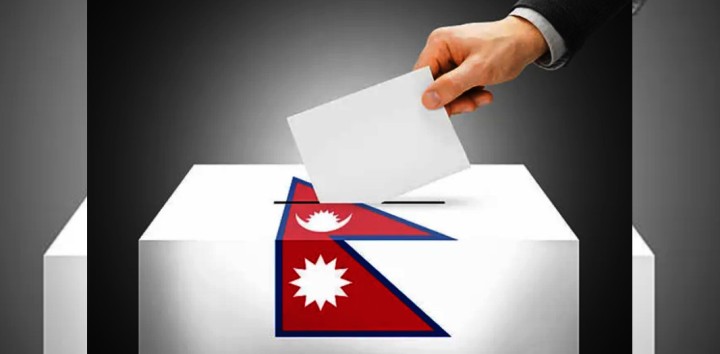
Kathmandu, Nepal
Nepal’s political landscape is undergoing a
major surge of activity today as the 2026
General Election campaign enters a critical phase, with thousands of candidates officially filing
nomination papers and prominent national figures entering the electoral
battle. The preparations come just 44
days before voting day on March 5, 2026, as the country moves toward a
high-stakes parliamentary contest.
According to the latest reports,
approximately 3,500 candidates
have registered to contest 165 seats in the House of Representatives under the first-past-the-post system,
marking one of the most competitive races in recent memory. Among these
nominees are former Kathmandu Mayor
Balendra “Balen” Shah, former Prime Minister K. P. Sharma Oli, and senior leader Pushpa Kamal Dahal ‘Prachanda’, highlighting a lively face-off
between established political heavyweights and newer voices.
Election
Campaign Gathering Pace
The voter list published by the Election Commission of Nepal shows
nearly 18.9 million registered voters
for the upcoming polls which is a significant portion of the nation’s adult
population. The election will determine all 275 seats in the House of Representatives, with 165 elected
directly and 110 through proportional representation.
Political analysts say the high
number of hopefuls reflects deep public
interest and intense competition among parties seeking to shape the
country’s future governance. Younger leaders and independent candidates have
been particularly active in rural and urban constituencies, tapping into issues
like employment, youth opportunities, and economic reform.
Big
Names, Big Battles
One of the most anticipated matchups
is in Jhapa-5, where Balen Shah, a popular figure among
younger voters is set to challenge veteran leader KP Sharma Oli, a former prime minister and longstanding political
figure. This constituency has become symbolic of the broader generational and ideological shifts
happening in Nepali politics.
Another key contender, Pushpa Kamal Dahal ‘Prachanda’, leader
of the Maoist Centre, is also in
the fray after years at the center of national politics. His participation
reflects the continued influence of traditional parties even as new political
forces rise.
Post-Protest
Political Renewal
The 2026 elections come less than a
year after significant political turmoil, including the 2025 Gen Z-led protests that challenged state institutions and
called for accountability and reform. Those events led to the formation of an
interim government under Prime Minister
Sushila Karki, who now leads the transitional administration tasked with
steering the country to elections.
The political climate today is
markedly dynamic, with debates over economic policy, corruption, federal
governance, and youth representation dominating public discourse. The high
number of nominated candidates signals broad engagement from different social
and political groups aiming to influence Nepal’s future direction.
Public
Expectation and Election Atmosphere
Citizens across Nepal are watching
developments closely as campaign rallies, policy platforms, and party alliances
take shape. With the election approaching, many Nepalis express hopes for stable governance, economic opportunities,
and accountability, while some remain anxious about possible political
fragmentation. Observers expect a high voter turnout, reflecting the countrywide eagerness for political change
and representation.
With nominations completed, parties
will intensify campaigning and voter
outreach across all provinces. The next major milestones include:
As Nepal enters this crucial
electoral phase, the nation’s democratic process is center stage with ordinary citizens and political leaders alike
gearing up for what promises to be a vigorous and historic election.