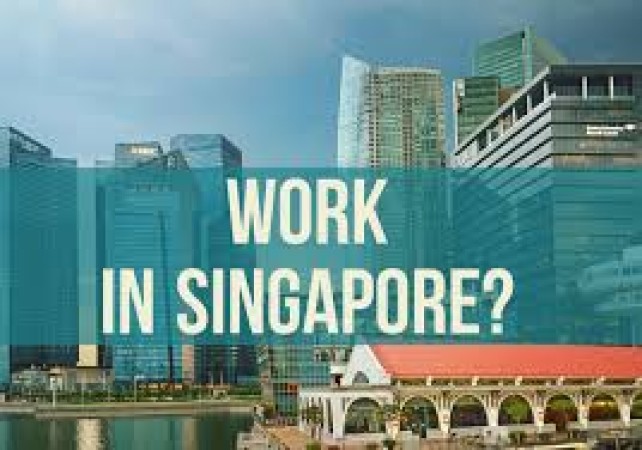
As Singapore continues to adapt its
labor and immigration framework to support economic growth and workforce
sustainability, the Ministry of Manpower (MOM) has rolled out a suite of Work
Permit reforms that take effect in 2025 and into 2026, reshaping opportunities
and expectations for foreign workers and employers alike.
The changes represent some of the
most significant overhauls of the city‑state’s foreign labor policy in years,
expanding long‑term employment prospects while tightening certain standards
aimed at balancing competitiveness with local workforce priorities.
1.
No More
Employment Duration Limits
One of the most impactful reforms,
first implemented from July 1, 2025,
was the removal of the maximum employment period for Work Permit holders
previously capped at between 14 and 26 years based on industry and nationality.
Under the new regime, foreign workers on Work Permits can now remain employed
indefinitely in Singapore so long as they meet ongoing eligibility and health
requirements and maintain employer sponsorship.
For many migrant workers, this
signals greater job security and career
continuity, particularly in sectors like construction, manufacturing,
and services that have historically relied on experienced foreign labor.
2.
Higher Age
Limits for Work Permit Holders
Aligned with Singapore’s official
retirement norms, the maximum
employment age for Work Permit holders has risen from 60 to 63 years. At
the same time, the age ceiling for new
applicants has increased from 50 (for most non‑Malaysians) and 58 (for
Malaysians) to 61 years old across all
nationalities.
This expansion opens the door for
more experienced workers to enter or
continue in the Singapore workforce, helping companies maintain
continuity and retain skill‑rich talent amid global labor shortages.
3.
Phasing Out
the Performing Artiste Work Permit Scheme
In a targeted policy move, MOM
announced that the Work Permit
(Performing Artiste) scheme will be discontinued from June 1, 2026,
citing widespread abuse of the program by syndicates and non‑operating
entertainment outlets. Existing holders can remain until their permits expire,
but new applications under this specific scheme will no longer be accepted.
The change underscores the
government’s commitment to cracking
down on misuse of work passes while preserving integrity across the
foreign workforce system.
4.
Strengthened
Salary and Skill Requirements (S Pass Interplay)
Although not strictly part of the
Work Permit framework, related adjustments in the S Pass and Employment Pass systems which cover mid‑ and higher‑skilled
foreign workers are relevant to the broader foreign talent landscape.
From September 1, 2025, higher qualifying salary thresholds for S Pass
applicants were introduced, and the levy structure revised to ensure fairer
compensation and to better align foreign salaries with Singapore’s wage norms.
These changes feed into the wider goal of attracting and retaining higher‑skilled foreign labor while
prioritising Singaporean talent development.
5.
Broader
Impact on Workers and Employers
For
Foreign Workers:
For
Employers:
Government
and Industry Goals
MOM’s policy realignment reflects
Singapore’s broader economic strategy: sustain
workforce resilience, attract diversified talent, and ensure foreign labor
policies support local job opportunities and productivity. Industry
bodies have welcomed aspects of the reforms, particularly around flexibility
and retention, while also calling for continued
refinement to address sector‑specific labor gaps.
Conclusion
The Singapore Work Permit updates
through 2025–2026 mark a new chapter for the city’s foreign workforce balancing
longer‑term employment opportunities
with stricter compliance and wage‑based criteria. For foreign workers
and employers alike, understanding these reforms is crucial for navigating
Singapore’s evolving labor market and for making informed decisions about
career and business planning.