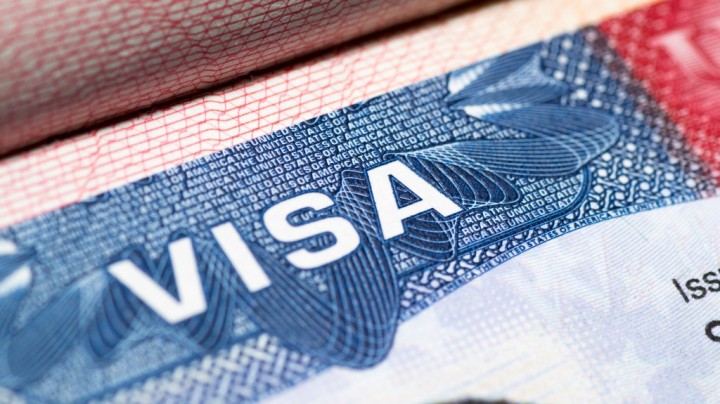
Visas represent the
important legal documents which govern the international traveling, studying,
employment, and migration. Visas are issued by governments, which specify who
is allowed to visit a country, why and duration thereof. Though the visa
systems vary according to the country, the systems of most countries share
similar groupings according to the intent of the travel.
1.
Tourist
or visitor visas
They are the most frequently issued in
the global world and are intended to be used in short-term travelling like
sightseeing, visiting relatives or socializing. The duration of stay with these
visas typically extends to a few days or several months and outright
discourages working or studying permanently. Some countries in the world such
as the United States, the United Kingdom, Australia, Canada and European
Schengen states have visitor visas with specific financial and return
requirements.
2.
Student
visas
International learners are given student
visas when they are in academic, vocational, or language programs. Such visas
are valid as long as one studies and in most countries they permit part time
employment. Australia, Canada, the UK, Germany and the US are also popular
destinations and are providing post study work, hence making education a
possible avenue to permanent residence.
3.
Work
visas
It permit foreigners to work legally in
a different country and are frequently connected to a particular employer or
occupation. Skilled employees are given attention by many governments in areas
such as healthcare, information technology, engineering, construction and
trades. Working visas can be temporary or come up with an option of permanent
residence based on national policies on immigration.
4.
Business
visas
They are given on short professional
activities in form of meetings, conferences or even trade events and do not
permit full employment. On the contrary, transit visas permit passengers to
enter a country to make a transit on their way to another destination in the
future.
5.
Family
and dependent visas
It allow spouses and children of
citizens or permanent residents as well as those that are on visa to reside
together in the host country. Mostly in most instances, dependents can work or
study as a policy to support family reunifying practiced by various developed
countries.
6.
Permanent
residency visas
PR visa enables one to stay permanently in a country
and is usually given under skilled migration or family sponsorship or
investment path. The digital nomad visas also have become popular in recent
years, and remote workers can now reside in another country working with
foreign employers.
In general, the visa
categories across the world can be viewed as the world priorities to tourism,
education, flexibility of labor, family cohesiveness and economic development.
The knowledge about the types of visas assists in making an informed choice
when a person is planning to go abroad or his permanent migration.