Tehran / Europe / United States
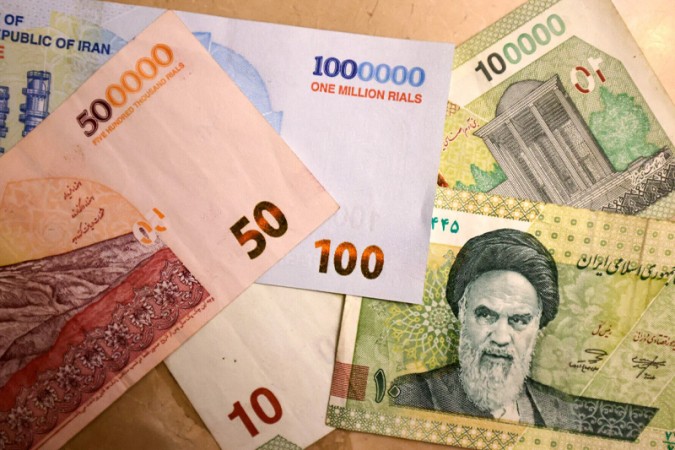
Iran’s national currency, the Iranian rial,
has plunged to historic lows over the past year, losing almost all of
its value in international markets and leaving many economists and citizens
alarmed at the sweeping economic impact. The collapse reflects deep-seated
economic stress inside Iran, driven by soaring inflation, foreign
sanctions, political instability, and shrinking foreign reserves.
What’s
Happening Now?
In the open market in Tehran and other cities, the
rial has plummeted to record low levels with about 1.4 to 1.5 million
rials now required to buy just one US dollar, a level that had once
been unimaginable.
At such extreme exchange rates, many global
currency converters and financial websites now display the rial’s value as
“$0.00” against major foreign currencies, a symbolic but stark sign of
how deeply the currency’s value has eroded. This does not mean the
rial literally has no value, but rather that systematic depreciation has pushed
its worth so low that digital systems round it down to zero.
In several European countries, the rial has
effectively become unexchangeable against the euro meaning
banks and exchange services there no longer accept it at meaningful value.
Economists now describe the rial as one of the least
valuable currencies internationally, requiring tens of millions of
units of rial to match common amounts of dollars or euros on global markets.
Why
the Rial Has Crashed So Far?
1.
Decades of Sanctions and Isolation
Long-standing international sanctions especially those
targeting oil exports and banking have severely restricted Iran’s access to foreign
currency inflows. With fewer dollars and euros entering the country, the demand
for hard currency has far exceeded supply, pushing the rial down sharply.
2.
Surging Inflation in Iran
Iran has been grappling with persistently high
inflation, with rates well above 40% in recent months. When prices
rise rapidly, the value of the currency falls even faster, leaving everyday
goods far more expensive.
3.
Economic Mismanagement and Structural Weaknesses
Currency controls, multiple official exchange rates,
and limited access to global financial systems have all contributed to market
uncertainty, further eroding confidence in the rial.
4.
Ongoing Political Unrest
Widespread anti-government protests sparked by rising
living costs and the currency crisis have deepened economic fears. Public
confidence in the economy is low, and many people have shifted toward foreign
holdings, gold, or other assets to protect their savings.
Real
Impact on Everyday Life
· Soaring prices:
Costs for food, medicine, fuel and everyday essentials have surged far faster
than wages.
· Savings erode:
Money saved in rials loses purchasing power rapidly, prompting many to seek
alternatives like foreign currency or gold.
· Scarce imports:
Higher import costs mean fewer foreign goods are available, further squeezing
households.
· Market chaos:
Businesses face unpredictable costs, many struggle to plan or invest, and
currency exchange channels are overwhelmed.
Many vendors in Tehran’s markets report closing shops
temporarily or demanding foreign currency for transactions to try to preserve
their own finances. Black-market rates which more accurately reflect
The Iranian rial’s dramatic collapse now
requiring over 1.4 million rials for a single US dollar and
appearing as zero value on many global currency platforms is a vivid
indicator of Iran’s economic stress. It captures not just monetary weakness,
but broader economic, political, and social pressures that affect millions of
lives every day. The crisis has deep implications for domestic
stability in Iran and highlights the challenges facing countries under
prolonged economic strain in a complex global environment.