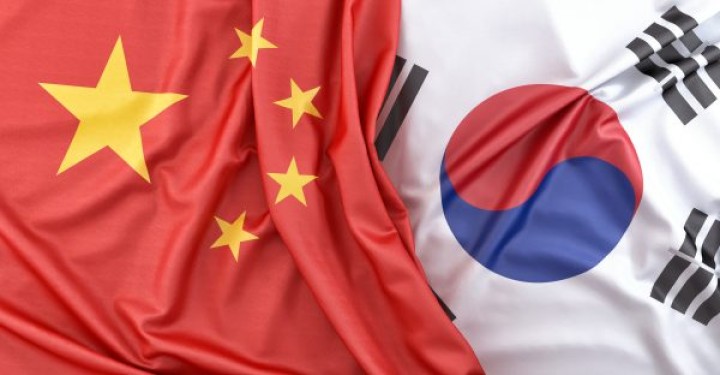
Beijing / Seoul
In a major diplomatic push amid rising tensions on the Korean Peninsula,
South Korean President Lee Jae Myung has formally requested Chinese President Xi Jinping to play a mediator role with North Korea,
including on the stalled nuclear crisis
and frozen inter-Korean dialogue. The request was made during President Lee’s
state visit to China and marks a significant effort to reopen communication
channels and ease hostilities.
A
Bold Diplomatic Appeal in Beijing
President Lee Jae Myung revealed on
Wednesday that he asked President Xi to help facilitate dialogue with North Korea, noting that all
communication channels between Seoul and Pyongyang are currently “completely blocked” with “zero trust”
between the two sides. Lee made the request during a summit meeting in Beijing earlier this week as part of
his ongoing state visit to China which is his first formal visit since taking
office last year.
Lee told reporters in Shanghai that he believes China’s
unique influence over North Korea is essential in breaking the impasse,
especially on issues related to Pyongyang’s nuclear weapons program. “We hope China can serve as a mediator
for peace,” he said, acknowledging that North Korea has resisted diplomatic
engagement with both Seoul and Washington.
President Xi Jinping responded by
emphasizing the need for patience
in dealing with the complex and delicate situation. China is North Korea’s
largest trading partner and long-standing ally has traditionally been cautious
about strongly pressuring Pyongyang. Xi conveyed his appreciation of Seoul’s
efforts, but doubled down on the challenge of restarting talks, indicating that
progress would require time and careful diplomacy.
Why
China Matters in the North Korea Crisis?
China’s role is pivotal because of
its historical ties and economic
leverage with North Korea. Beijing has often been seen as the country
best positioned to influence Pyongyang’s strategic decisions especially
regarding its nuclear arsenal
and missile development. For years, Seoul and Washington have appealed to
Beijing to encourage North Korea to return to denuclearization talks that
largely collapsed after high-level diplomacy faded in 2019.
North Korea has since continued to
advance its nuclear program and test missiles, making bilateral and
multilateral talks increasingly rare and difficult. Lee’s government has
previously suggested a phased approach
to denuclearization, seeking to halt further nuclear development in
exchange for benefits and incentives plan he reiterated in talks with China.
Global
Implications and Next Steps
The appeal to China comes amid wider
geopolitical shifts in East Asia, where tensions involving North Korea, the
United States, and regional powers continue to influence diplomatic priorities.
Analysts say China’s willingness to take on a mediator role even cautiously
which signal a rare cooperative moment in a landscape marked by competing
strategic interests.
For now, both Seoul and Beijing
agree that restoring dialogue with
Pyongyang and addressing nuclear threats will require sustained effort,
understanding, and time. Whether China’s involvement will succeed in
breaking the diplomatic deadlock remains a key question for regional security
and peace prospects.